· 1 min read
qualified signature, understanding the requirements is essential.
Digital signatures are not all created equal, and selecting the right type can significantly influence your legal processes. In this article, we'll explore the differences between simple, advanced, an
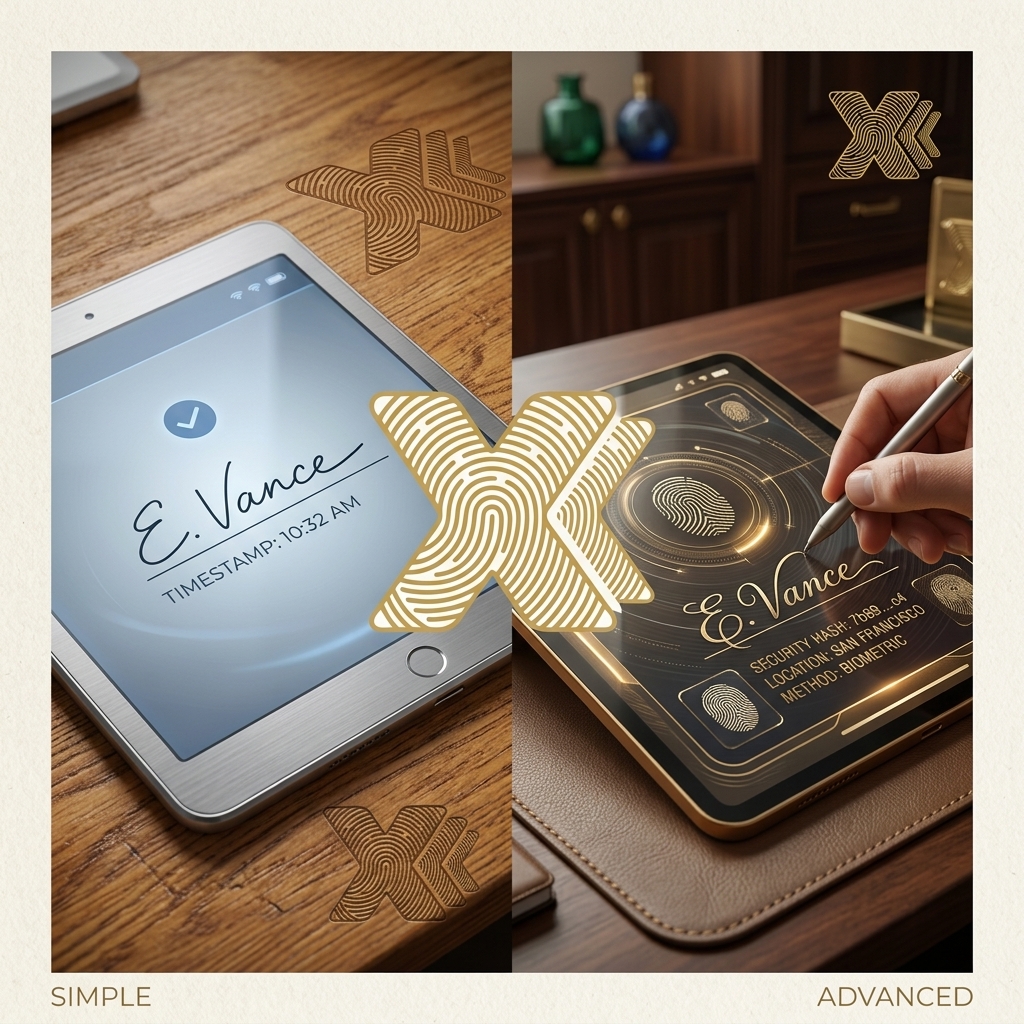
Digital signatures are not all created equal, and selecting the right type can significantly influence your legal processes. In this article, we’ll explore the differences between simple, advanced, and qualified digital signatures, and why this matters for your specific needs.While a simple signature may suffice for informal documents, an advanced signature adds an extra layer of security by ensuring the signer’s identity. However, if you need a signature that carries the same legal weight as a handwritten signature throughout the European Union, a qualified signature is your best bet. This option requires a qualified certificate and utilizes PKCS#11 hardware tokens, ensuring the protection of your sensitive data.
XignAll provides the ideal solution for quickly and securely signing PDF documents without reliance on the cloud. With support for eIDAS-compliant signatures, you can rest assured that every signature you apply holds legal value. Discover how XignAll can transform the way you manage digital signatures, ensuring compliance and security in your documentation processes.